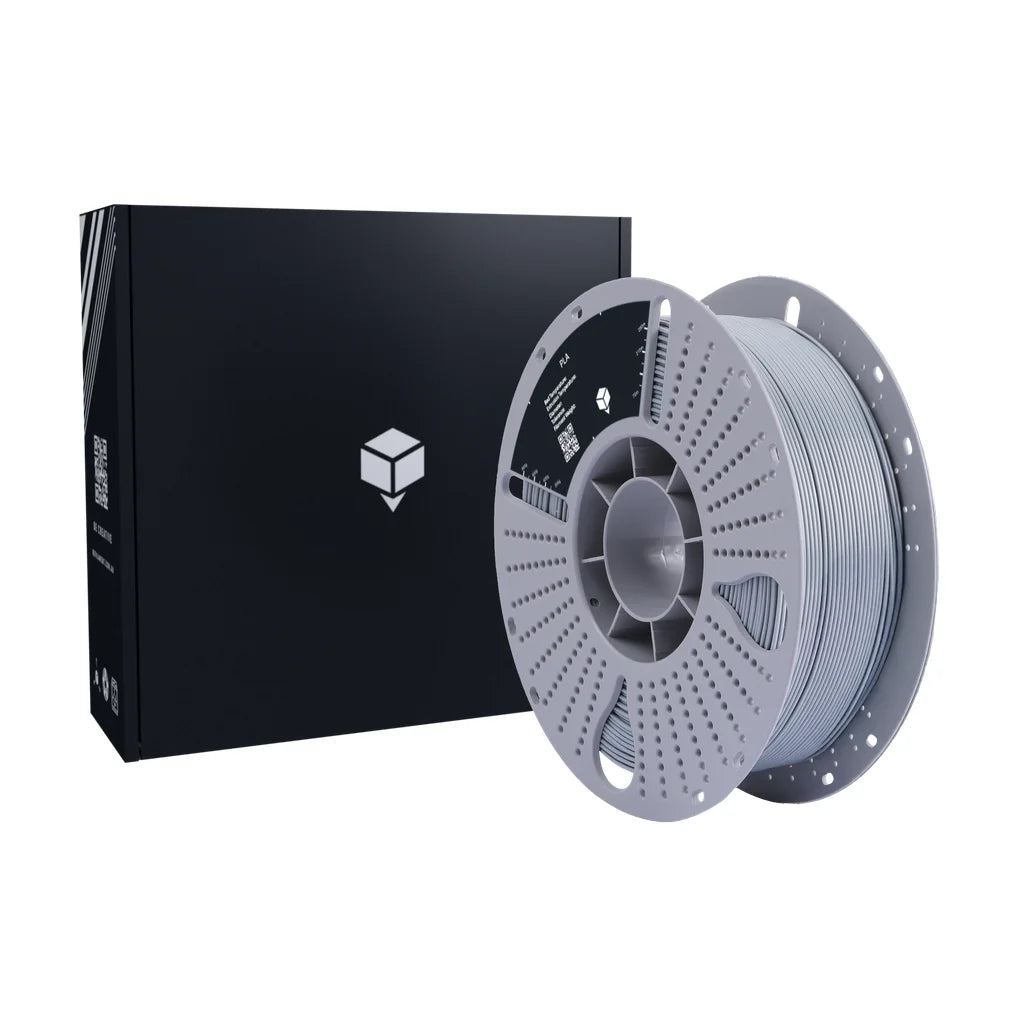

Collection: PLA Glow

Bring your 3D prints to life with PLA Glow. This filament glows in the dark, adding a unique and eye-catching effect to your creations. Perfect for decorative prints and special effects.

6 products

About PLA Glow-in-the-Dark Filament

PLA Glow-in-the-Dark is a photoluminescent PLA filament that absorbs light energy and emits it as visible glow in darkness. Unlike standard PLA that remains inert in the dark, Glow PLA contains phosphorescent particles (typically strontium aluminate) that charge when exposed to light and gradually release that stored energy as luminescence over hours, creating prints that glow without batteries, electronics, or external power.

The glow mechanism works through phosphorescence. When exposed to bright light (particularly UV or sunlight), photoluminescent particles in the filament absorb photons and enter an excited energy state. In darkness, these particles gradually return to their ground state, releasing energy as visible light. This creates a glow effect lasting 30 minutes to several hours depending on charge intensity and duration. The particles recharge indefinitely without degradation, so prints maintain their glowing capability permanently.

PLA Glow retains all the easy-printing characteristics of standard PLA (low temperature requirements, minimal warping, wide printer compatibility) whilst adding unique luminescent functionality. The photoluminescent particles make the filament mildly abrasive compared to standard PLA, requiring consideration for nozzle wear during frequent use. Our PLA Glow filament is manufactured to ±0.02mm tolerance at 1.75mm diameter, ensuring consistent extrusion despite the particle-filled composition.

When to Choose PLA Glow Filament

Choose PLA Glow when you need low-light visibility or luminescent effects without electrical power. It's ideal for decorative applications (ceiling stars, night lights, Halloween decorations, party accessories), safety markers (light switch indicators, emergency signage, path markers, camping gear), functional visibility aids (equipment controls, key identifiers, tool organisation in darkness), novelty items and toys (figurines, costume props, unique gifts), educational projects (astronomy models, science demonstrations), and outdoor markers (garden stakes, tent guy lines, event signage).

Select PLA Glow over standard PLA when low-light visibility adds functional value or the luminescent effect enhances aesthetic appeal. The glow provides passive illumination without ongoing power costs, making it sustainable for applications like emergency markers or safety equipment. Prints charge in seconds under bright light and glow for hours, creating unique visual effects impossible with non-luminescent materials.

The glow intensity is brightest immediately after light exposure and gradually fades over 2-3 hours. Green glow variants appear brightest to human eyes due to our vision's peak sensitivity in low light. The effect works best for decorative or marker applications rather than functional lighting (the glow provides ambient visibility rather than illumination for tasks).

Consider alternatives if you need solid uniform colours without luminescence (standard PLA), aesthetic surface finishes (PLA Silk or PLA Marble), natural textures (PLA Wood), or functional strength (PETG or ABS).

PLA Glow vs Other Filaments

PLA Glow's photoluminescent properties create unique low-light visibility impossible with standard filaments, whilst maintaining the same easy printing characteristics as regular PLA.

Property PLA Glow Standard PLA PLA Silk PETG
Luminescence Glows in darkness None None None
Light Charging Absorbs any light source N/A N/A N/A
Glow Duration 30min-3hrs after charge None None None
Surface Finish Matte, slightly grainy Glossy, smooth Lustrous, pearlescent Semi-gloss
Nozzle Wear Moderate (abrasive particles) Minimal Minimal Minimal
Print Difficulty Easy Easy Easy Moderate
Best For Low-light visibility General purpose Aesthetic appeal Functional strength

All PLA variants share identical printing temperatures and wide printer compatibility. Glow provides luminescent functionality, Standard offers solid colours, Silk delivers lustrous finishes, and PETG provides strength. Choose Glow when low-light visibility adds value to your application or the luminescent effect creates unique aesthetic appeal.

If PLA Glow isn't the right choice for your application, explore our full PLA range for alternative finishes, or consider PETG for functional parts requiring strength.

Printing PLA Glow Successfully

PLA Glow prints similarly to standard PLA with minor adjustments for the photoluminescent particle content. The material flows reliably and doesn't require special techniques beyond standard PLA printing practices.

Temperature settings: Nozzle temperatures typically range from 190-210°C, with most users finding success around 200°C. Bed temperature should be set between 40-60°C, with 50-60°C being optimal for first-layer adhesion. These temperatures are slightly lower than some PLA variants, as excessive heat may reduce glow intensity.

Nozzle considerations: The photoluminescent particles are mildly abrasive. Standard brass nozzles work perfectly for occasional printing, but frequent glow filament use benefits from hardened steel or ruby-tipped nozzles to prevent wear. A 0.4mm nozzle works well, though 0.5mm or larger reduces wear and improves flow consistency. Monitor nozzle condition if you notice increasing extrusion width or flow inconsistencies.

Speed and cooling: Print at moderate speeds (40-60mm/s) with standard PLA cooling (100% part cooling fan after first layer). The particle-filled composition benefits from slightly slower speeds than pure PLA to ensure consistent extrusion. Retraction settings identical to standard PLA work well (5-7mm for Bowden, 1-2mm for direct drive).

Maximising glow intensity: Print with thicker walls (3-4 perimeters) and moderate infill (20-40%) to increase the volume of glowing material. Thicker sections glow brighter and longer than thin prints. Charge prints by exposing to bright light (sunlight, UV light, or bright white LED) for 5-10 minutes before use. UV light charges most effectively. The photoluminescent particles are concentrated near the surface, so solid thin-walled prints often glow better than heavy infill prints.

Printer Compatibility

PLA Glow works on every FDM printer that successfully prints standard PLA. The low-temperature requirements and minimal warping make it accessible to entry-level printers without heated enclosures or advanced capabilities.

  • Universal printer compatibility: Works on all major printer brands including Prusa, Bambu Lab, Creality, AnyCubic, Elegoo, Artillery, and budget to professional models. The material requires only standard PLA capabilities.
  • Heated bed beneficial but optional: Prints successfully on unheated beds with proper adhesion (painter's tape, glue stick) or heated beds at 50-60°C for improved first-layer reliability.
  • All extruder types work: Both direct drive and Bowden systems handle PLA Glow identically to standard PLA. The filament is firm enough to push through Bowden tubes without buckling and feeds reliably in direct drive configurations.
  • No enclosure needed: Prints successfully on open-frame printers in normal room conditions without warping or adhesion issues. No special environmental controls required.

The primary consideration is nozzle material rather than printer capabilities. Brass nozzles work for occasional use, but hardened steel or ruby-tipped nozzles significantly extend service life for frequent glow printing. If your printer successfully prints standard PLA, it will handle PLA Glow with identical reliability using standard settings.

PLA Glow Filament FAQs

After charging with bright light for 5-10 minutes, prints glow brightly for 30-60 minutes, then gradually fade over the next 2-3 hours. The glow is brightest in the first 30 minutes and remains faintly visible for several hours in complete darkness. UV light charges most effectively, whilst standard room lighting works but requires longer exposure. The glow recharges indefinitely without degradation.
No, the photoluminescent pigments recharge indefinitely without degradation. Prints will glow just as brightly years later as when first printed. Unlike radioactive materials or chemical glow sticks, photoluminescence is a physical property that doesn't wear out. The glow may appear dimmer if the surface becomes dirty or scratched, reducing light absorption and emission efficiency.
Yes, modern glow-in-the-dark filament uses non-toxic, non-radioactive photoluminescent pigments (typically strontium aluminate). It's safe for household items, toys, and decorative objects. The material emits no radiation or harmful substances. As with all 3D printing, ensure adequate ventilation during printing to manage normal PLA emissions.
Sanding and finishing work like standard PLA, but painting over the surface blocks the glow effect. If you must paint, use extremely thin translucent coats or clear varnish only. Sanding can actually improve glow intensity by exposing fresh photoluminescent particles on the surface. For best results, leave prints unpainted to maximise light absorption and emission.
The photoluminescent particles (typically strontium aluminate crystals) are harder than brass and act as mild abrasive. Extended printing with glow filament will gradually enlarge brass nozzle orifices, affecting print quality over time. This is normal for particle-filled filaments. Switch to hardened steel or ruby-tipped nozzles if you plan frequent glow printing. For occasional use, brass nozzles remain functional.
Green glow-in-the-dark filament typically appears brightest to human eyes because our vision is most sensitive to green wavelengths in low light. Blue and aqua variants are also highly visible. Other colours like orange, pink, or purple may appear dimmer not because they absorb less light, but because human eyes are less sensitive to those wavelengths in darkness. For maximum visibility, choose green or blue variants.