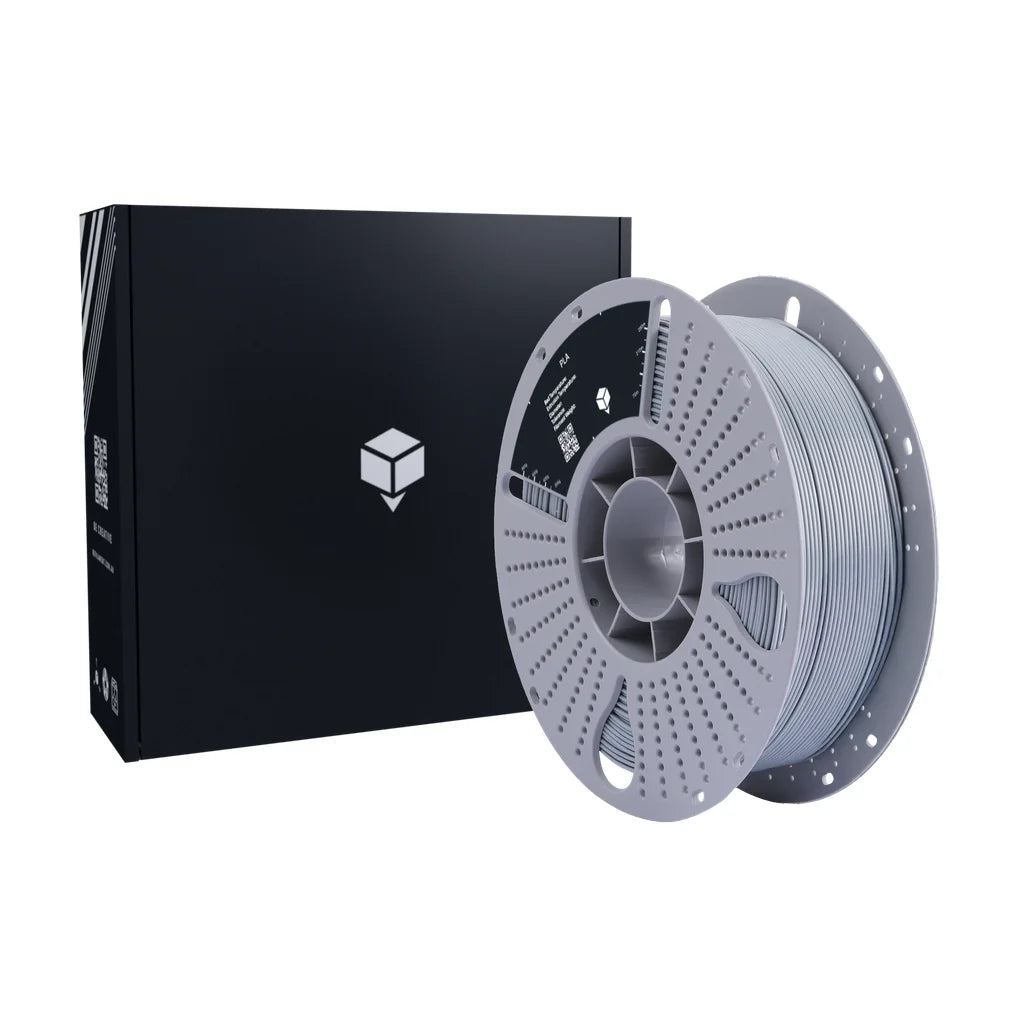

Collection: PLA Silk

Achieve a stunning glossy finish with PLA Silk. Its smooth, shiny surface and vibrant colours make it ideal for sleek, eye-catching prints that stand out in any project.

12 products

About PLA Silk Filament

PLA Silk is a speciality PLA filament engineered to produce lustrous, pearlescent surfaces with a distinctive satin-like sheen. Unlike standard PLA's simple glossy finish, Silk PLA creates eye-catching, elegant parts with depth and shimmer that photographs beautifully and draws attention. The unique finish makes it perfect for decorative items, display pieces, artistic projects, and any application where visual impact matters.

The silk effect is achieved through special metallic or pearlescent pigments that reflect light at varying angles, creating a dynamic, shifting appearance similar to fabric silk or automotive metallic paint. This makes PLA Silk ideal for decorative vases and ornaments, jewellery and accessories, cosplay props requiring elegant finish, display models and sculptures, artistic prints and gifts, awards and trophies, and any project where you want prints that stand out visually. Our PLA Silk filament is manufactured to tight tolerances of ±0.02mm at 1.75mm diameter for consistent results.

PLA Silk retains all the advantages of standard PLA (easy printing, low temperature requirements, minimal warping, and wide printer compatibility) while delivering a distinctly luxurious visual character. The material prints with identical settings to standard PLA, making it an effortless choice when your project demands visual drama. The lustrous surface photographs exceptionally well and creates prints that look more expensive and refined than standard glossy PLA.

When to Choose PLA Silk Filament

Choose PLA Silk when you need eye-catching, lustrous finishes that create visual impact. It's ideal for decorative items meant to be displayed prominently, jewellery and wearable accessories, cosplay props requiring elegant shine, artistic sculptures and creative projects, gifts that should look premium and polished, display pieces for exhibitions or photography, and any project where standard PLA's basic glossy finish isn't special enough.

Select PLA Silk over standard PLA when you want prints that photograph beautifully with dynamic light reflection. The pearlescent effect creates depth and visual interest that flat colours cannot match. It's excellent for parts that will be displayed under varied lighting, where the shifting shimmer adds sophistication and perceived value to your prints.

The silk finish does make layer lines more visible than matte surfaces, as the reflective properties highlight surface texture. This is a trade-off for the lustrous appearance. If layer line visibility is a concern, consider using smaller layer heights (0.12-0.16mm) or light post-processing to achieve smooth Silk results.

Consider alternatives if you need non-reflective professional finishes (PLA Matte), prefer standard glossy appearance (standard PLA), or want other specialty finishes like wood texture or marble patterns. For functional parts requiring strength, explore PETG or ABS.

PLA Silk vs Other PLA Variants

PLA Silk's lustrous, pearlescent finish creates maximum visual impact for decorative applications, setting it apart from other PLA variants that share the same easy printing characteristics.

Variant Surface Finish Visual Impact Best For
PLA Silk Lustrous, pearlescent High (eye-catching) Decorative, display pieces
Standard PLA Glossy, smooth Moderate (solid colours) General purpose, prototypes
PLA Matte Non-reflective, refined Low (subtle elegance) Professional models, photography
PLA Marble Stone-like patterns High (unique patterns) Decorative objects, sculptures

All PLA variants print with identical temperature settings and compatibility. The difference is purely aesthetic. Silk delivers maximum shimmer and visual drama, Standard provides classic glossy appearance, Matte eliminates reflections for professional finishes, and Marble creates natural stone effects. Choose Silk when you want prints that draw attention and photograph beautifully with luxurious appearance.

If PLA Silk isn't the right choice for your application, explore our full PLA range for alternative finishes, or consider PETG for functional parts requiring strength.

Printing PLA Silk Successfully

PLA Silk prints identically to standard PLA using the same temperature settings and slicer profiles. The metallic or pearlescent pigments don't affect printability. If your printer handles standard PLA successfully, it will print Silk PLA equally well.

Temperature settings: Nozzle temperatures typically range from 200-220°C, with most users finding success around 205-215°C. Bed temperature should be set between 40-60°C, with 50-60°C being optimal for best first-layer adhesion. These temperatures match standard PLA, allowing you to use existing profiles without modification.

Speed and cooling: Print at standard PLA speeds (50-80mm/s) with 100% part cooling fan after the first layer. The silk finish doesn't require special cooling considerations. For best visual results showing the lustrous effect, use layer heights of 0.12-0.2mm. The reflective surface highlights layer lines more than matte finishes, so finer layers or light sanding improves appearance.

Maximising the silk effect: The lustrous finish looks best straight off the printer without additional coating. Avoid sanding unless necessary, as it can dull the pearlescent effect. If light sanding is needed for imperfections, polish afterward with fine grit (1000+) to restore sheen. The silk appearance is most dramatic under varied lighting conditions where the shifting reflections create visual depth.

Printer Compatibility

PLA Silk works on every FDM printer that prints standard PLA successfully. There are no special hardware requirements, nozzle considerations, or printer modifications needed. Standard brass nozzles at 0.4mm work perfectly for all typical applications.

  • Universal compatibility: Works on all major printer brands including Prusa, Bambu Lab, Creality, AnyCubic, Elegoo, Artillery, and budget to professional models alike. No printer capabilities beyond standard PLA printing required.
  • Heated bed beneficial but optional: Like standard PLA, Silk PLA prints on unheated beds with proper adhesion aids (painter's tape, glue stick) or heated beds at 50-60°C for improved reliability.
  • All extruder types work: Both direct drive and Bowden systems handle PLA Silk identically to standard PLA. The material feeds reliably and retracts cleanly without special considerations.
  • No enclosure needed: Prints successfully on open-frame printers in normal room conditions without warping concerns.

If your printer successfully prints standard PLA, it will print PLA Silk with identical settings and reliability. The silk finish is achieved through filament composition, not printing technique, making the material completely interchangeable with standard PLA from a hardware perspective.

PLA Silk Filament FAQs

PLA Silk contains special metallic or pearlescent pigments that reflect light at varying angles, creating a dynamic shimmer similar to fabric silk or automotive metallic paint. The effect is built into the filament composition and appears automatically when printed, with no special finishing required.
No, use identical settings to standard PLA (200-220°C nozzle, 40-60°C bed). The silk finish is achieved through filament composition, not printing technique. You can switch between standard and Silk PLA without changing slicer profiles or recalibrating your printer.
Yes, the reflective pearlescent surface highlights layer lines more than matte finishes. This is a trade-off for the lustrous appearance. Use finer layer heights (0.12-0.16mm) or light sanding followed by polishing if smooth Silk finishes are desired. The visual drama of the silk effect generally outweighs the slightly more visible layers.
The silk finish looks best without sanding or coating, as these can dull the pearlescent effect. If light sanding is necessary, polish afterward with very fine grit (1000+) to restore sheen. Painting over Silk PLA defeats its purpose. Choose the colour you want to display, as the built-in lustrous finish is the material's key feature.
Store PLA Silk identically to standard PLA in an airtight container or sealed bag with silica gel desiccant. The material is moderately hygroscopic and will gradually absorb moisture from humid environments, causing stringing and poor surface finish. If filament has absorbed moisture, dry at 45-50°C for 4-6 hours before printing.